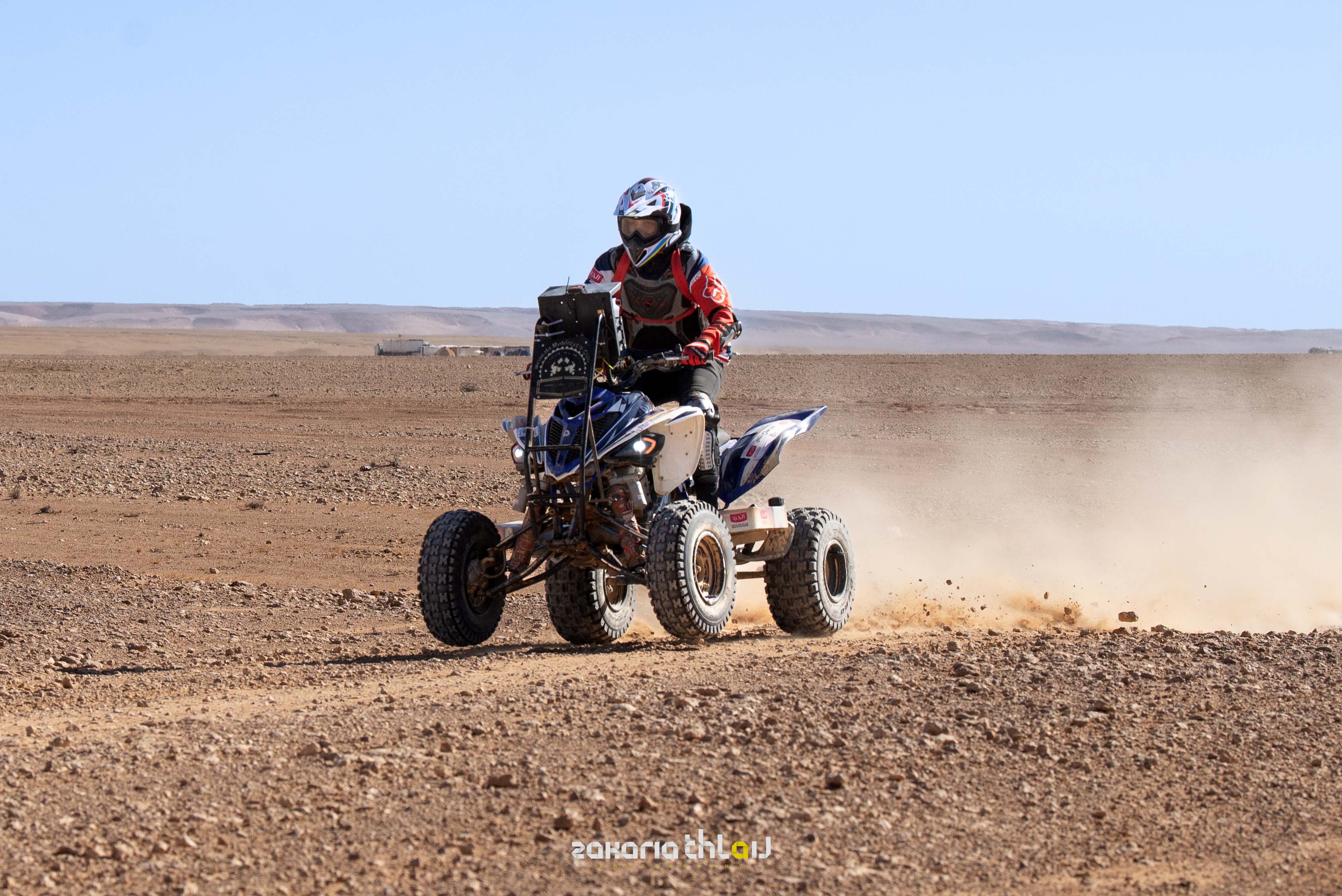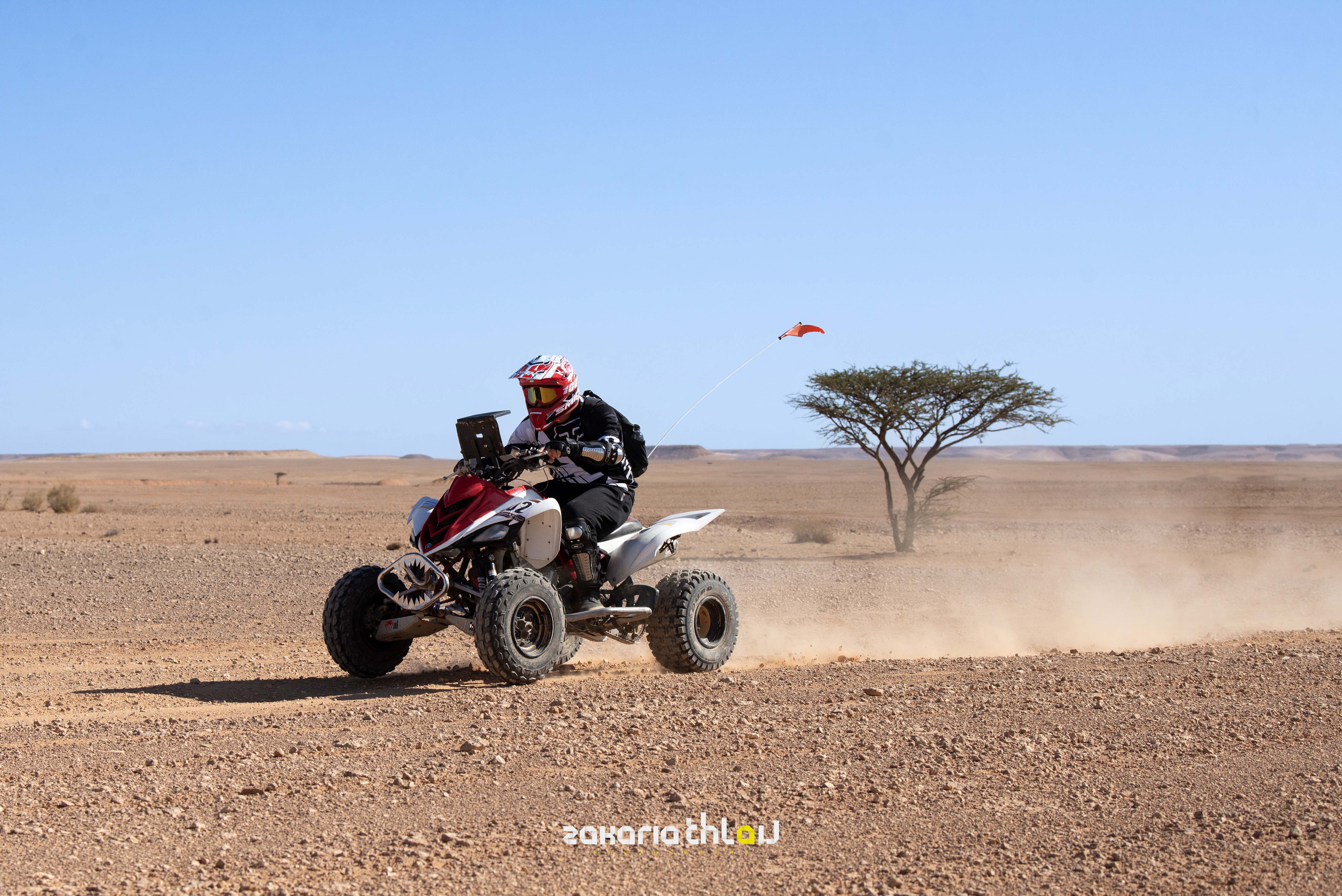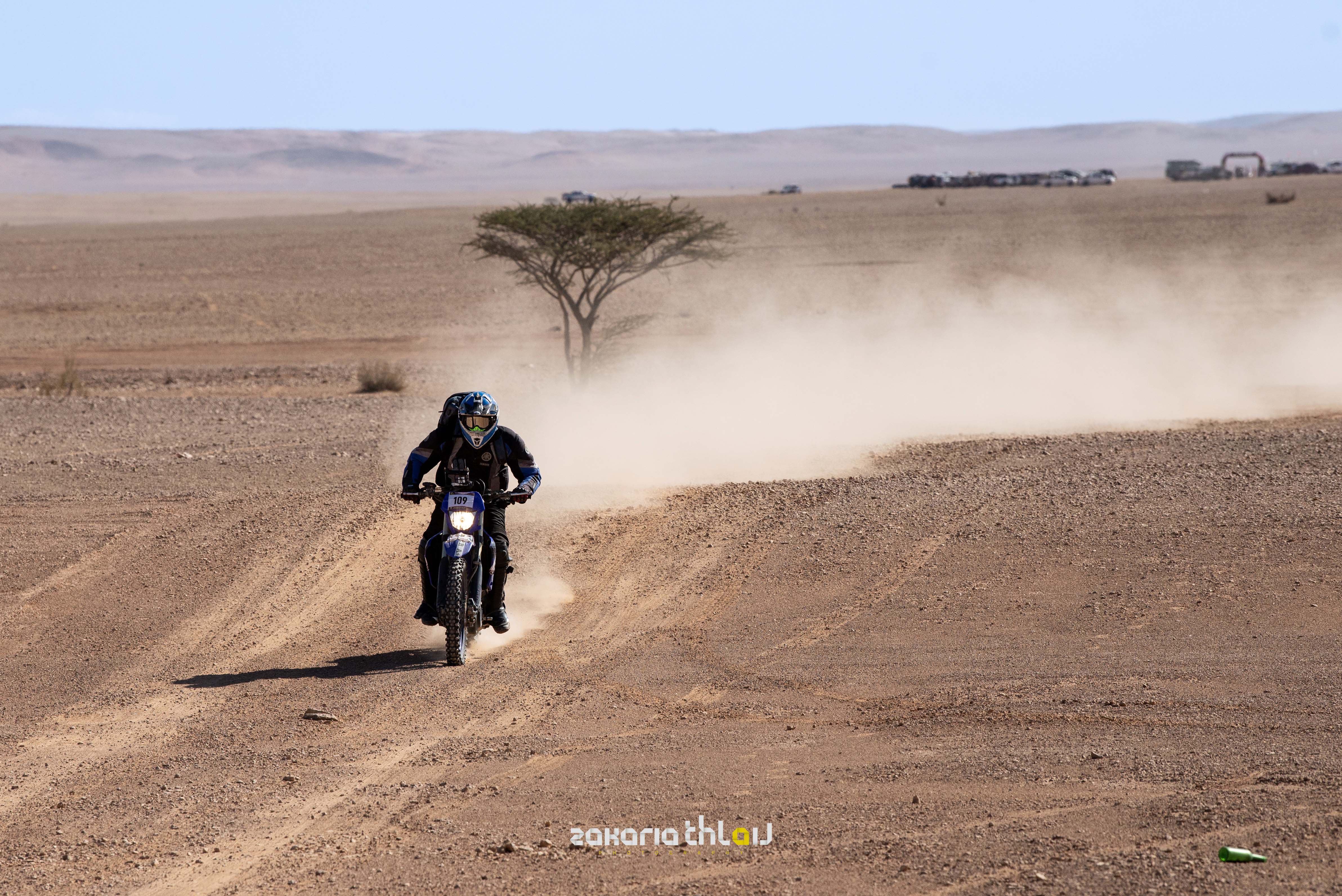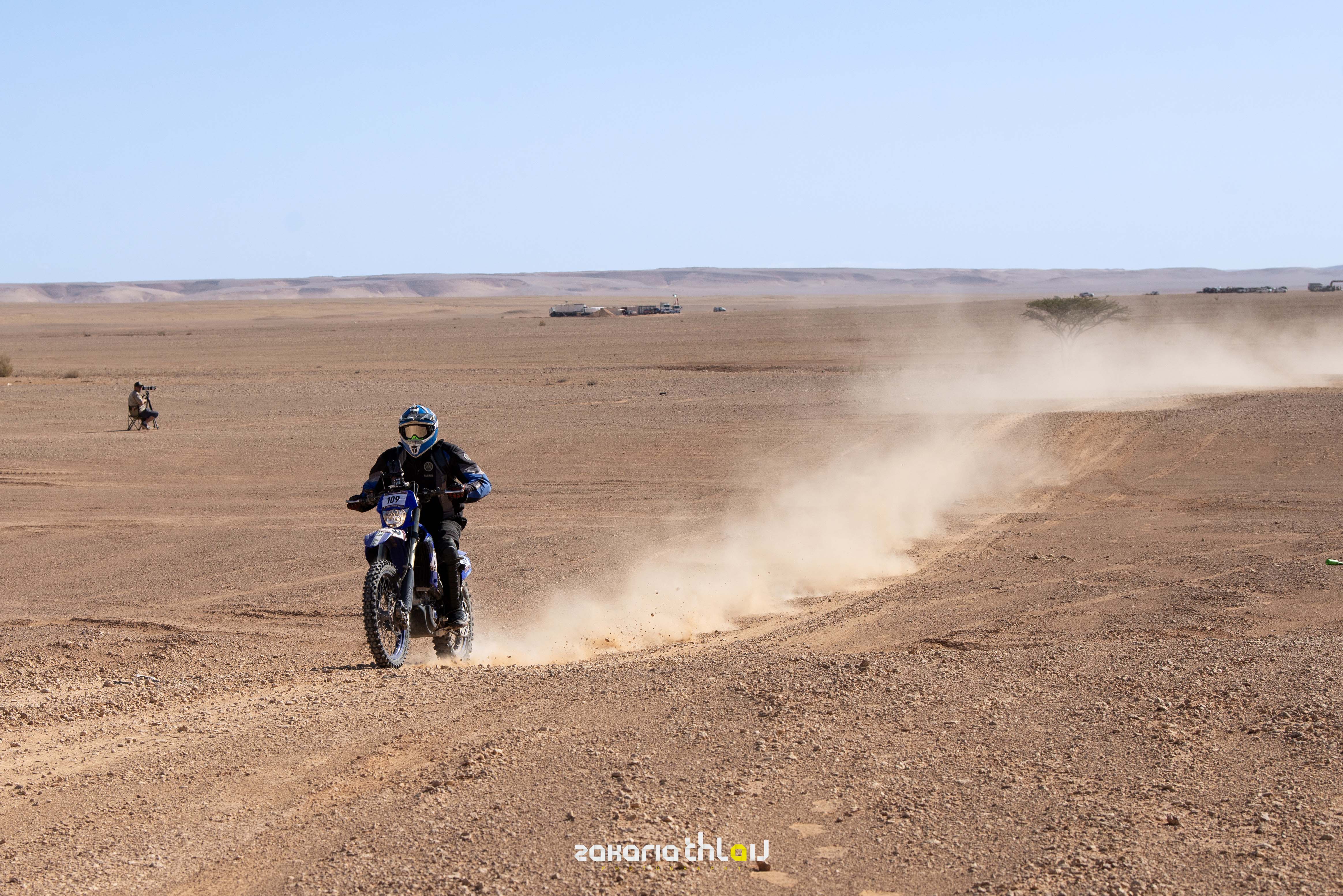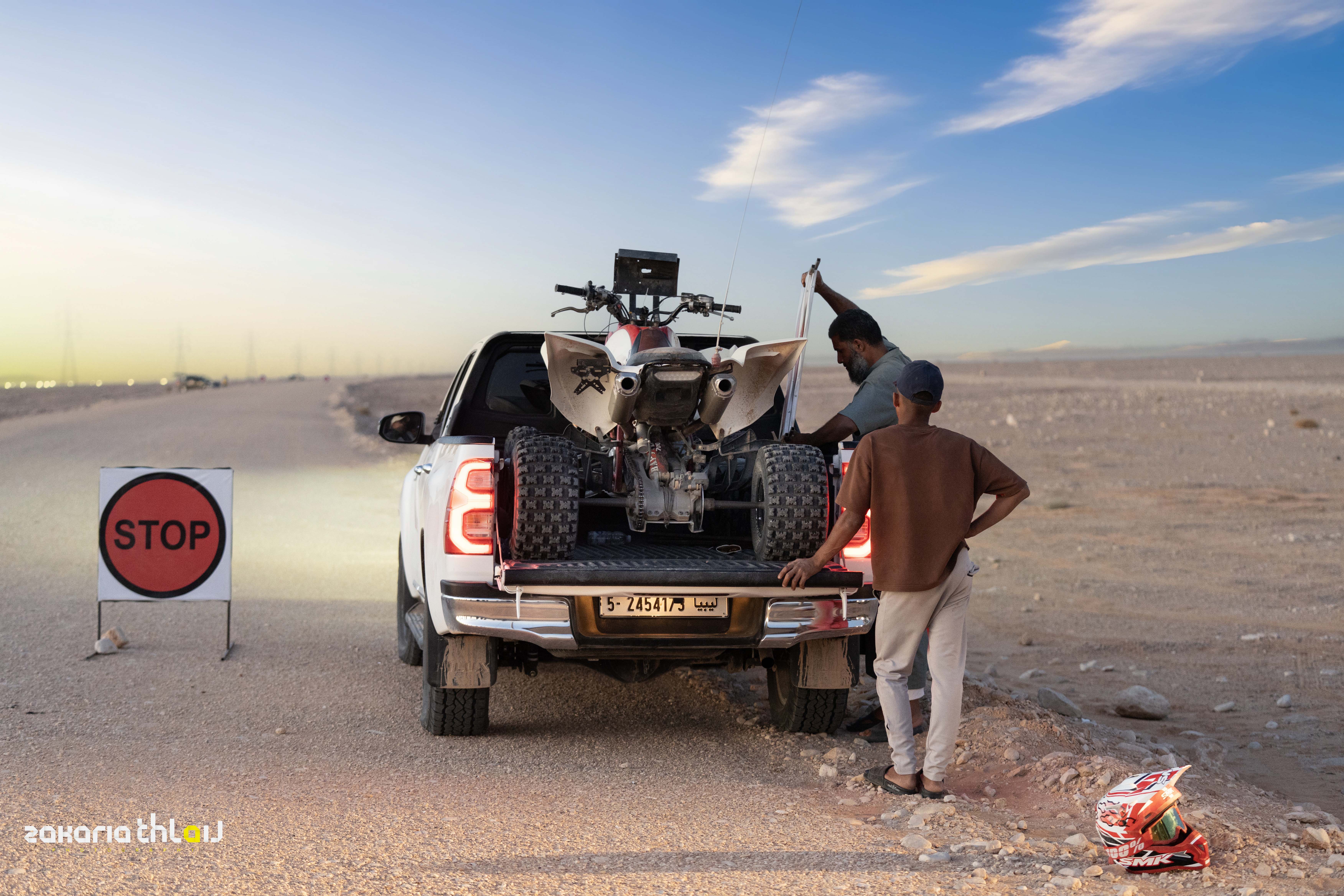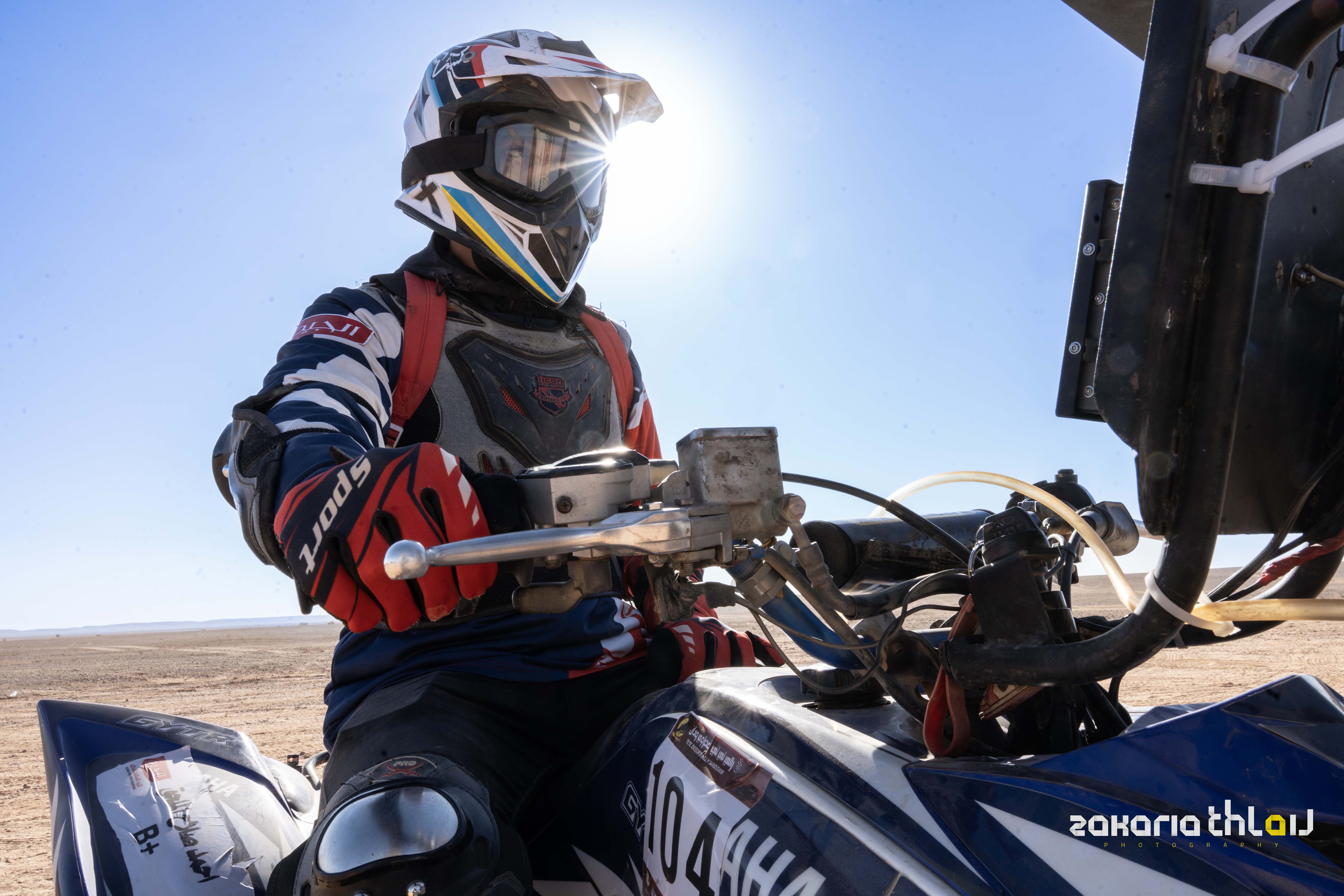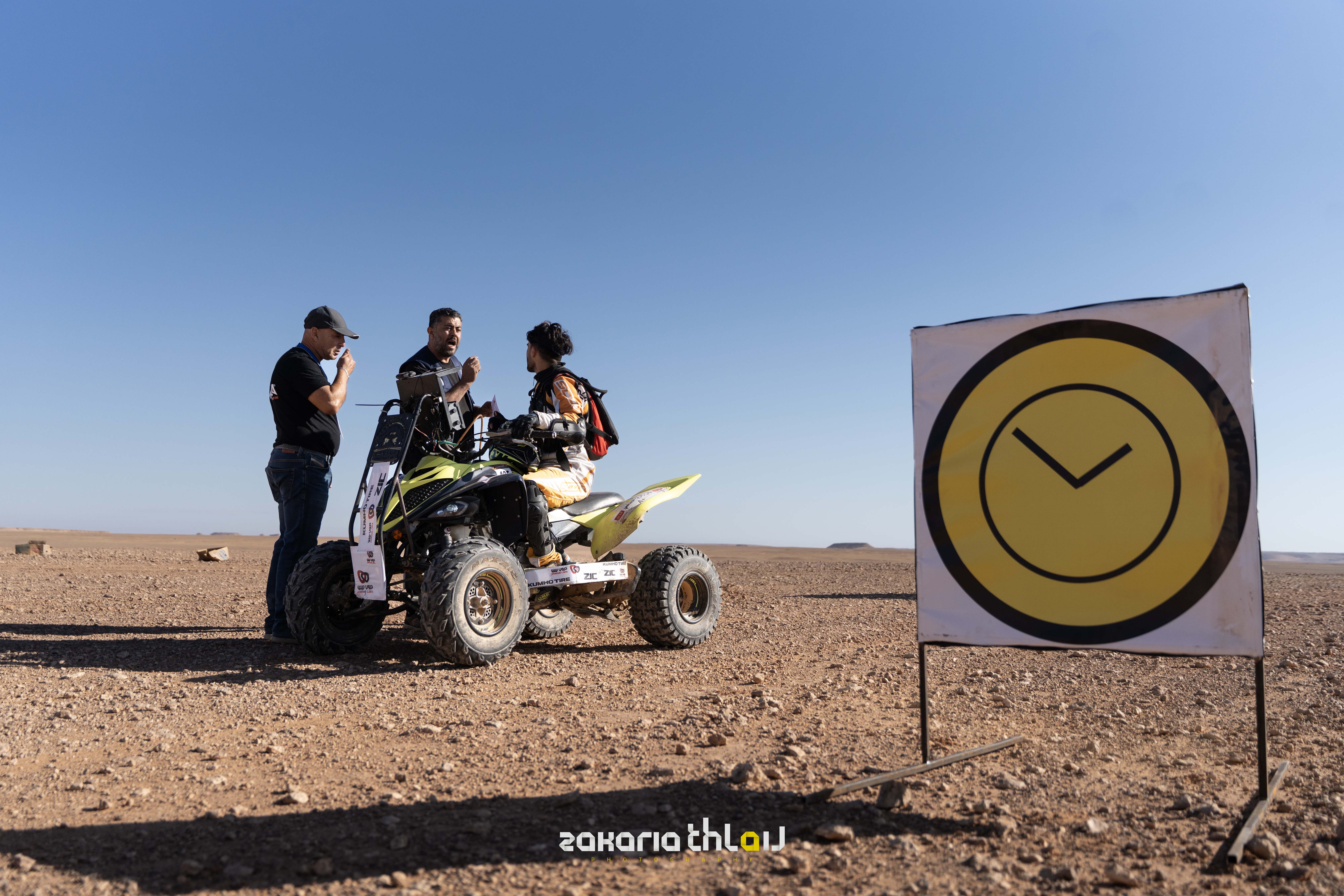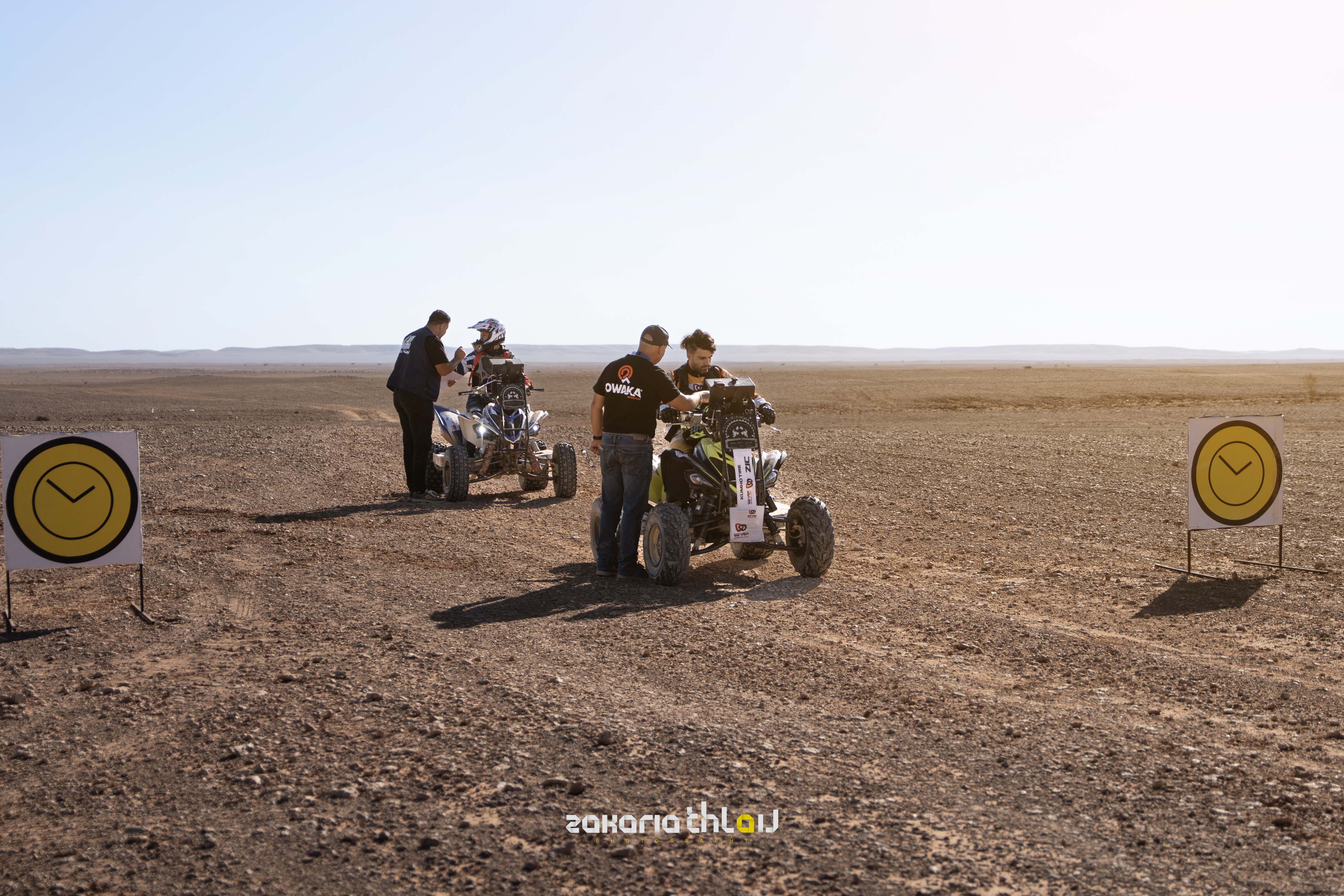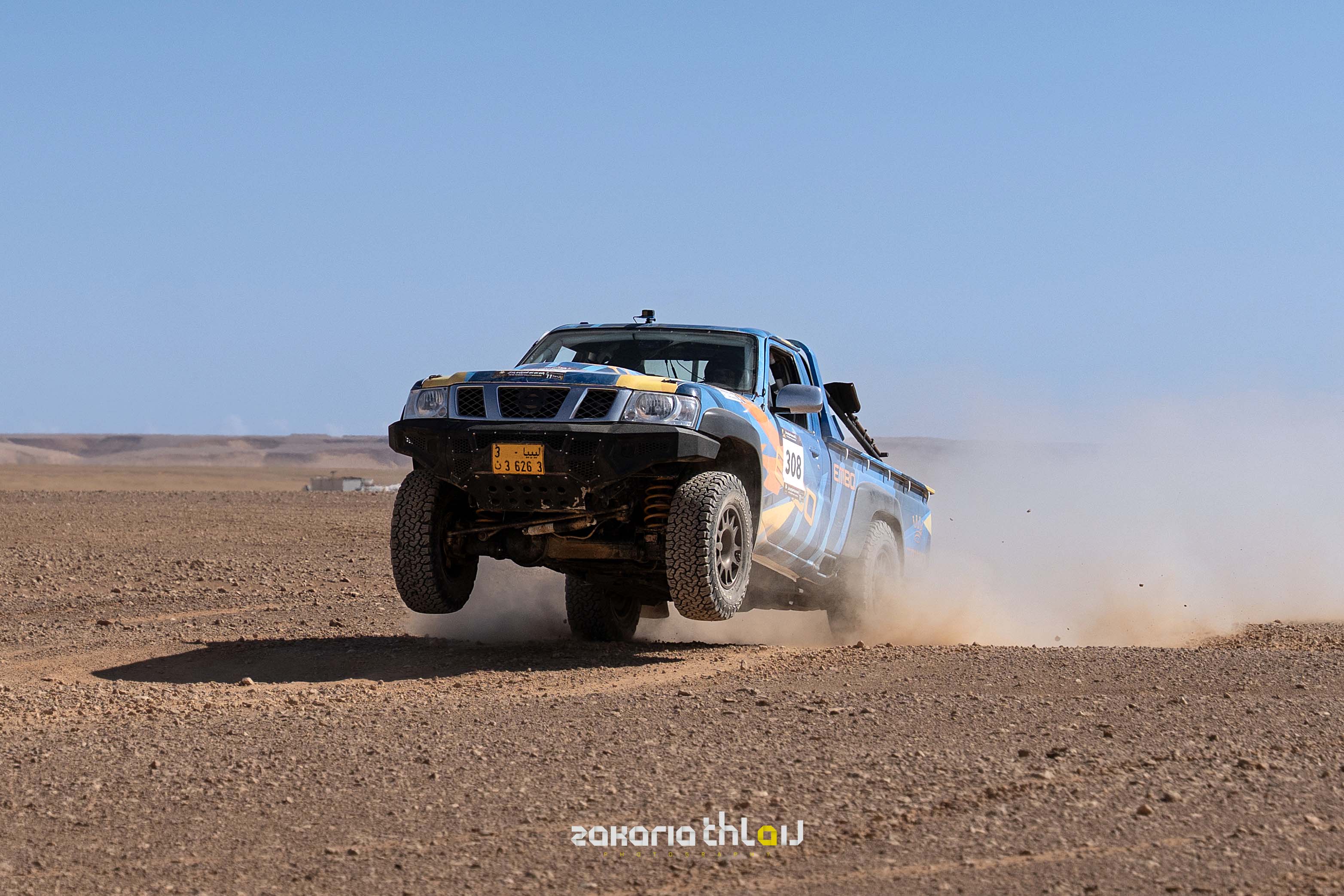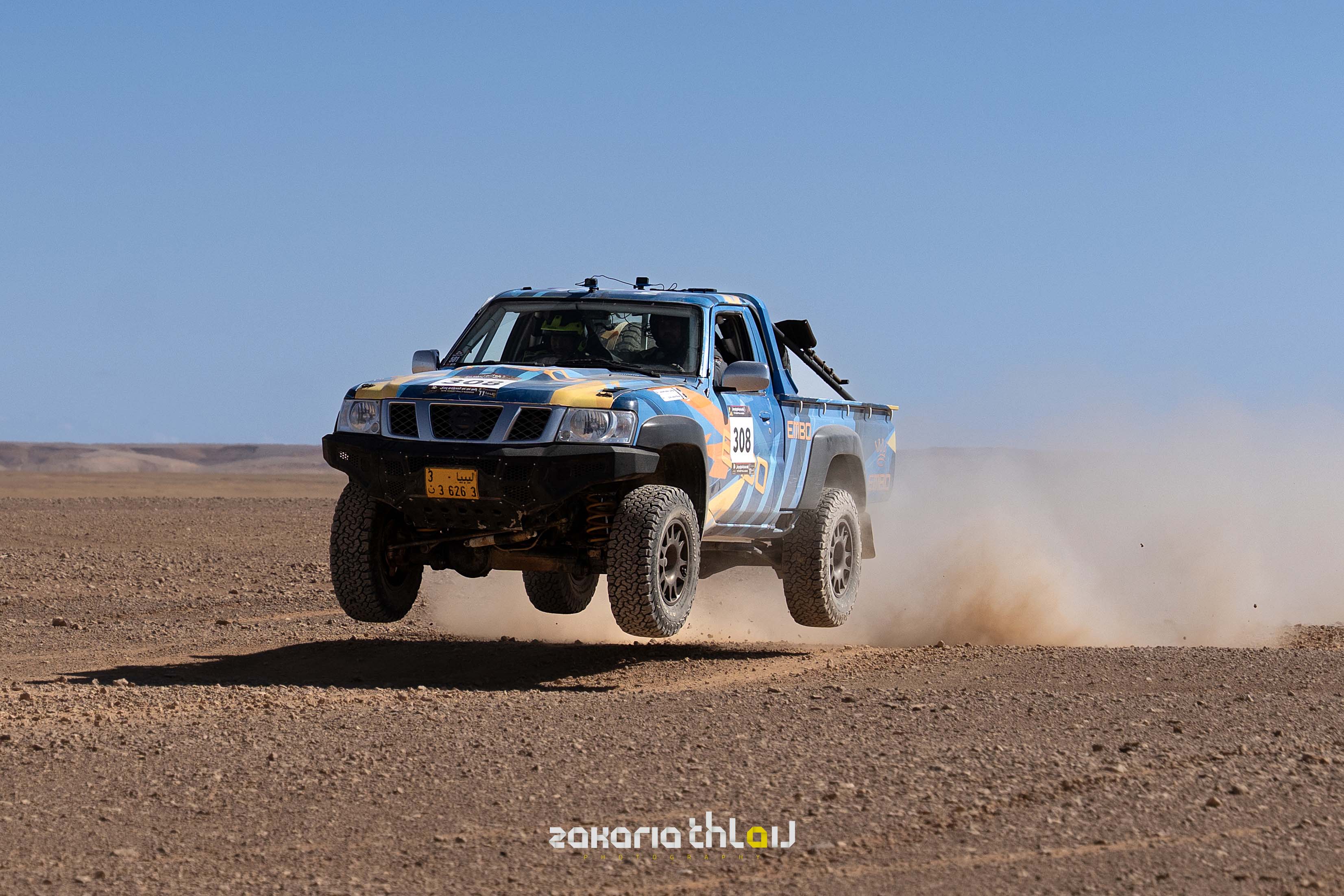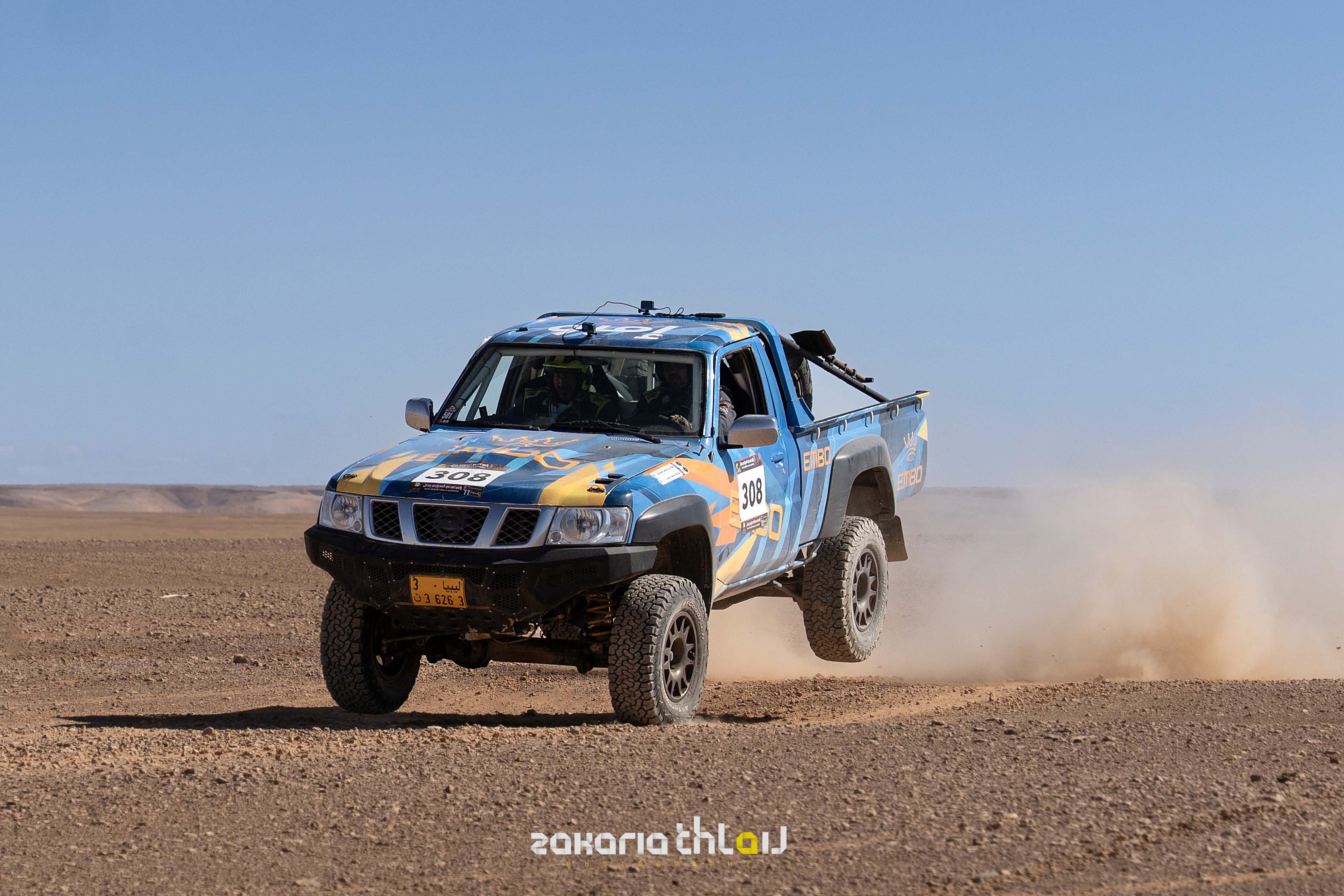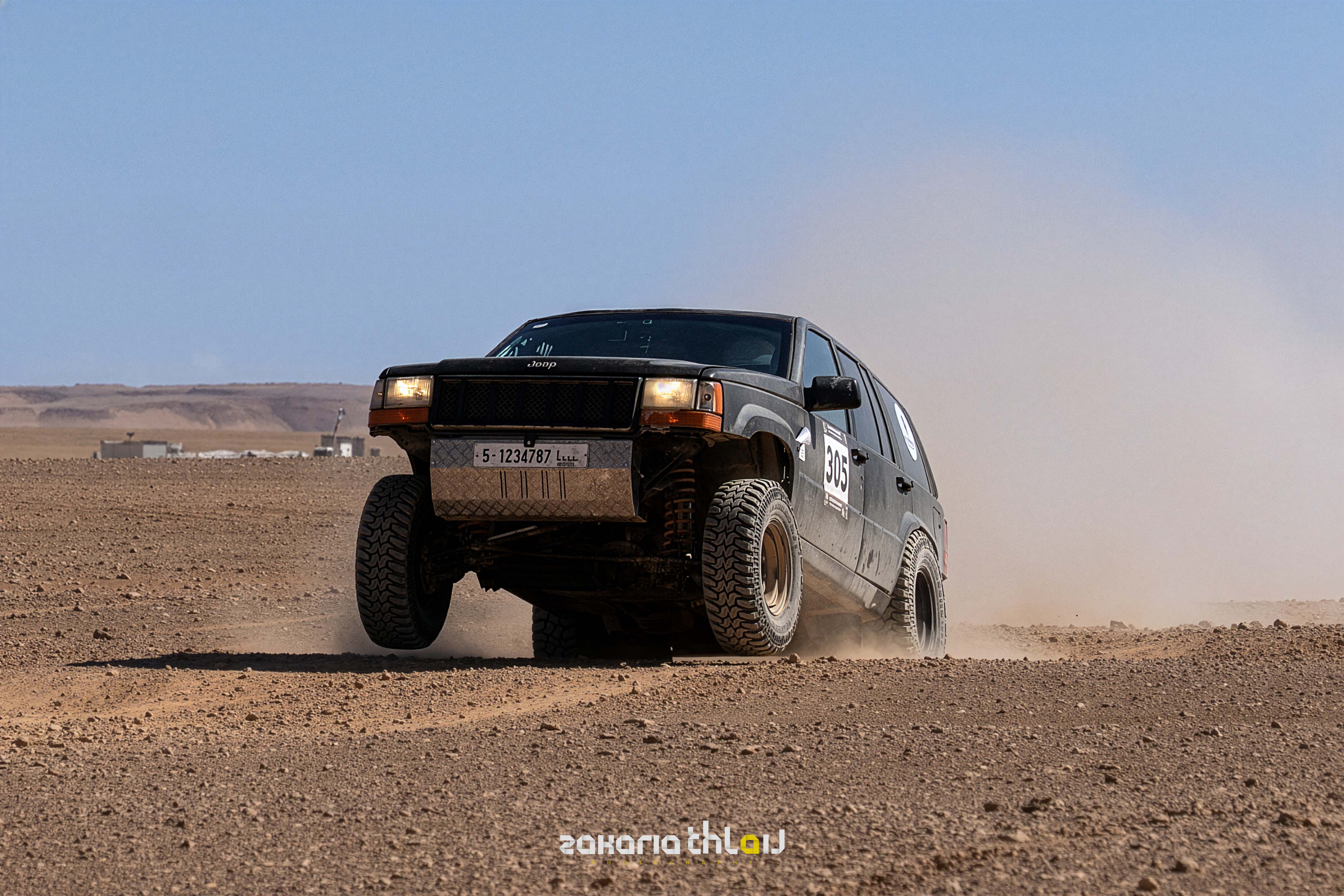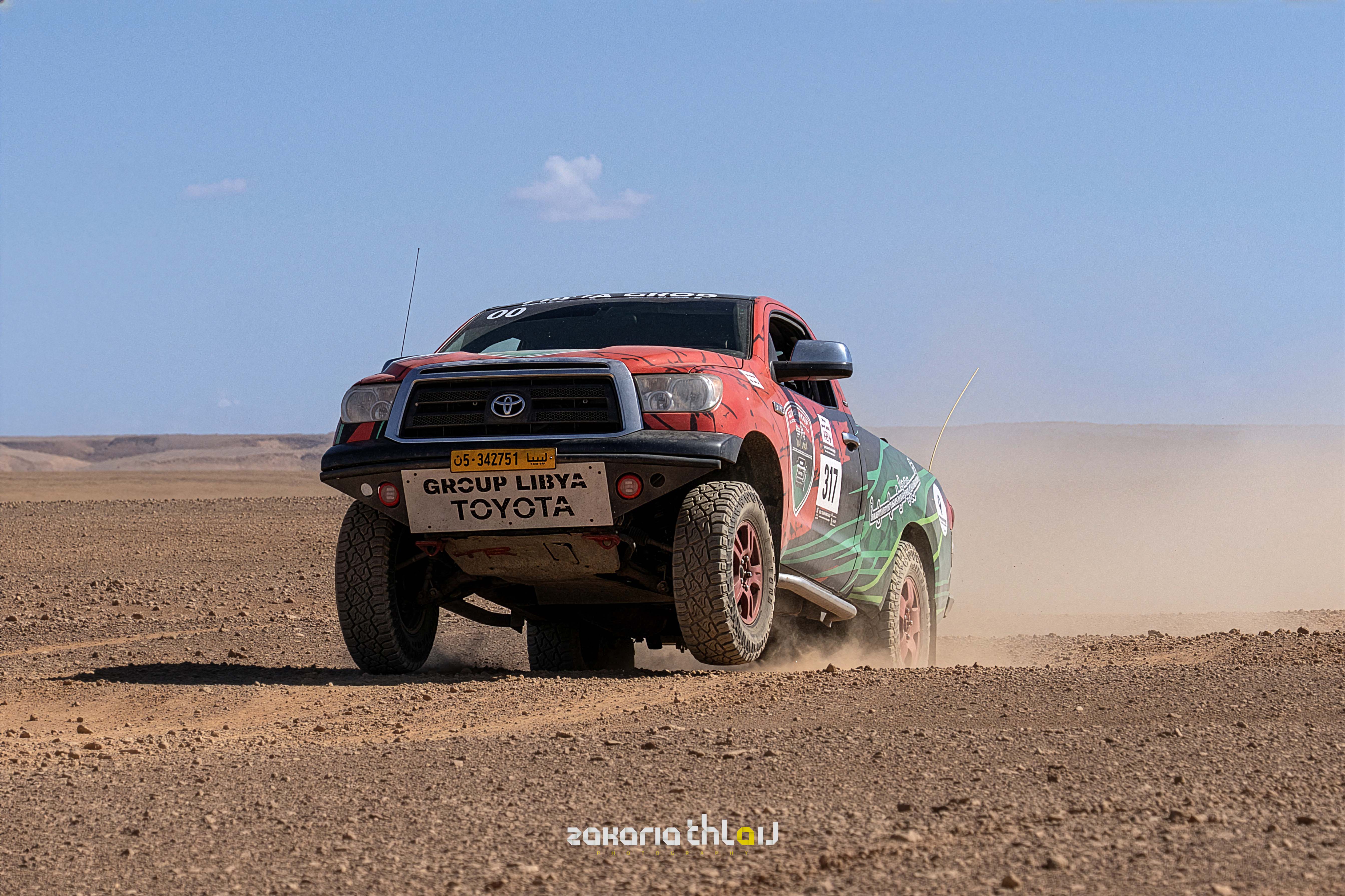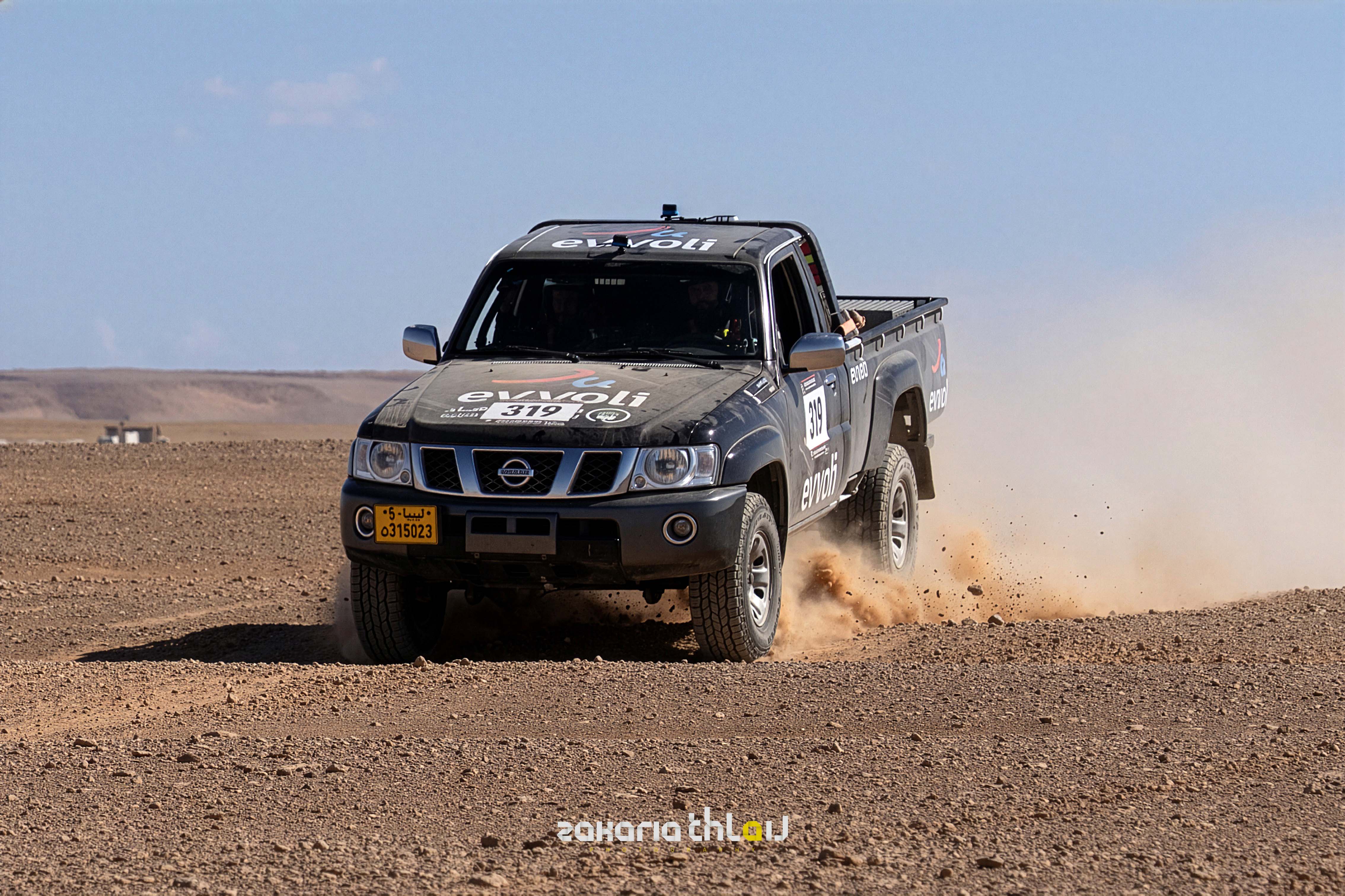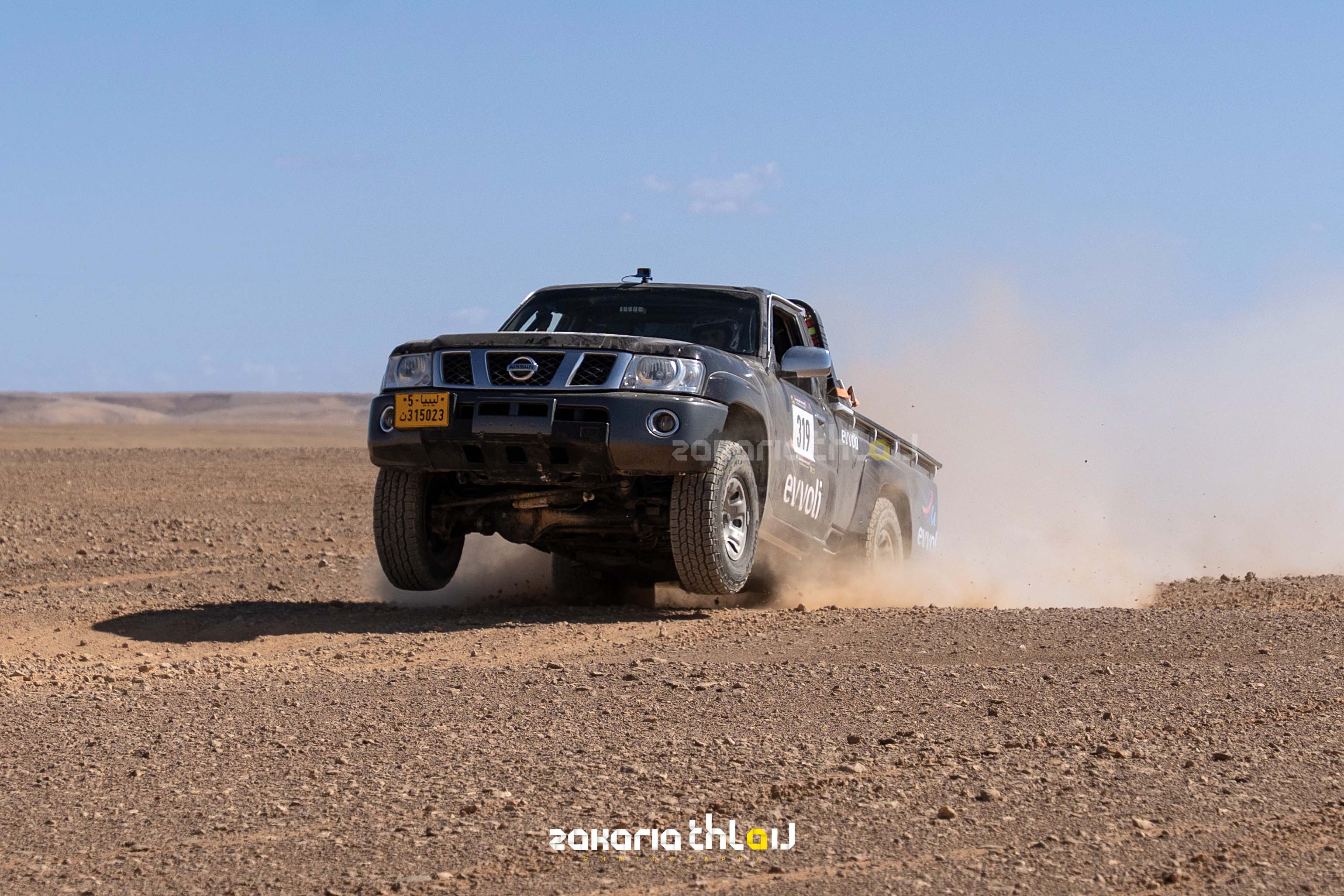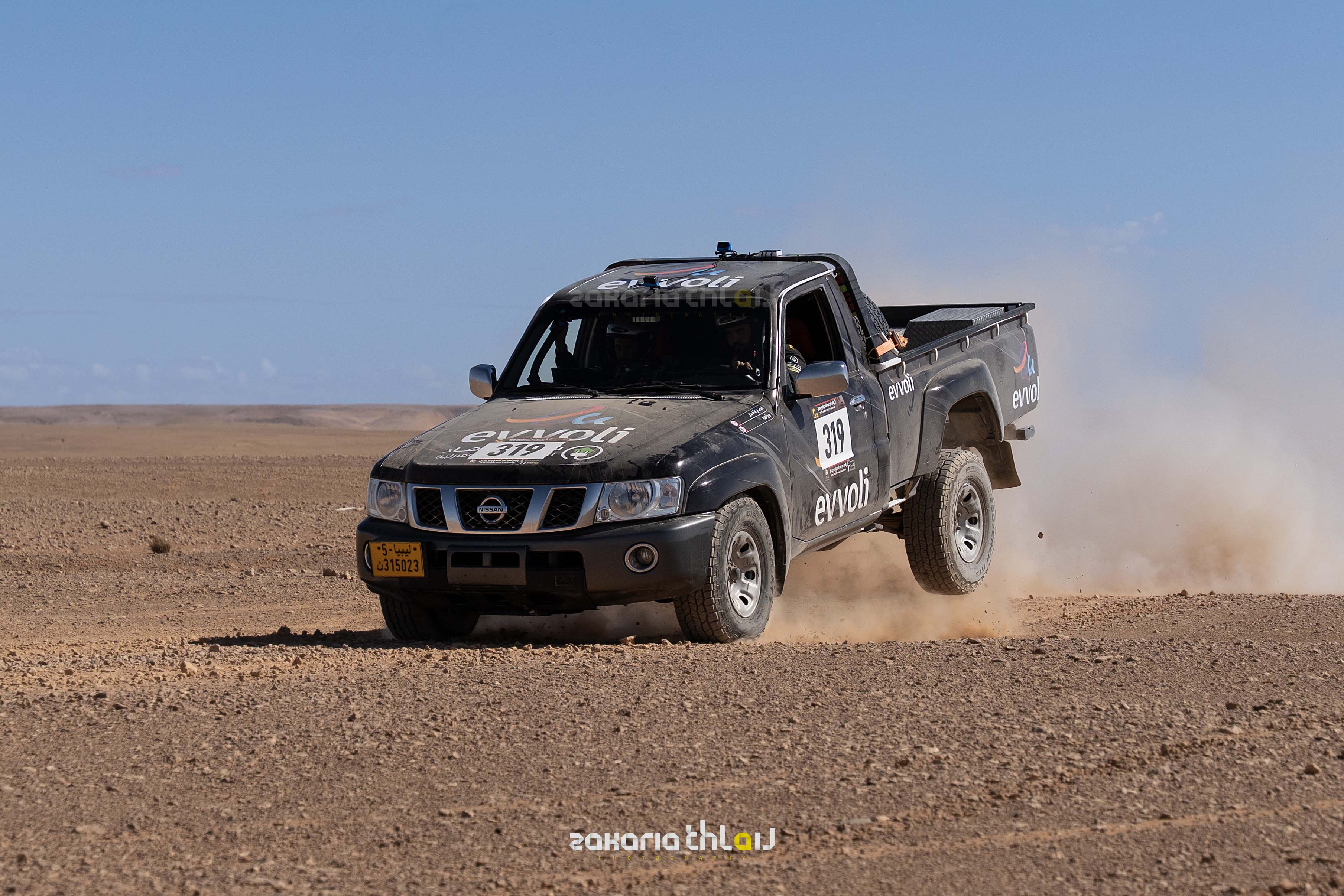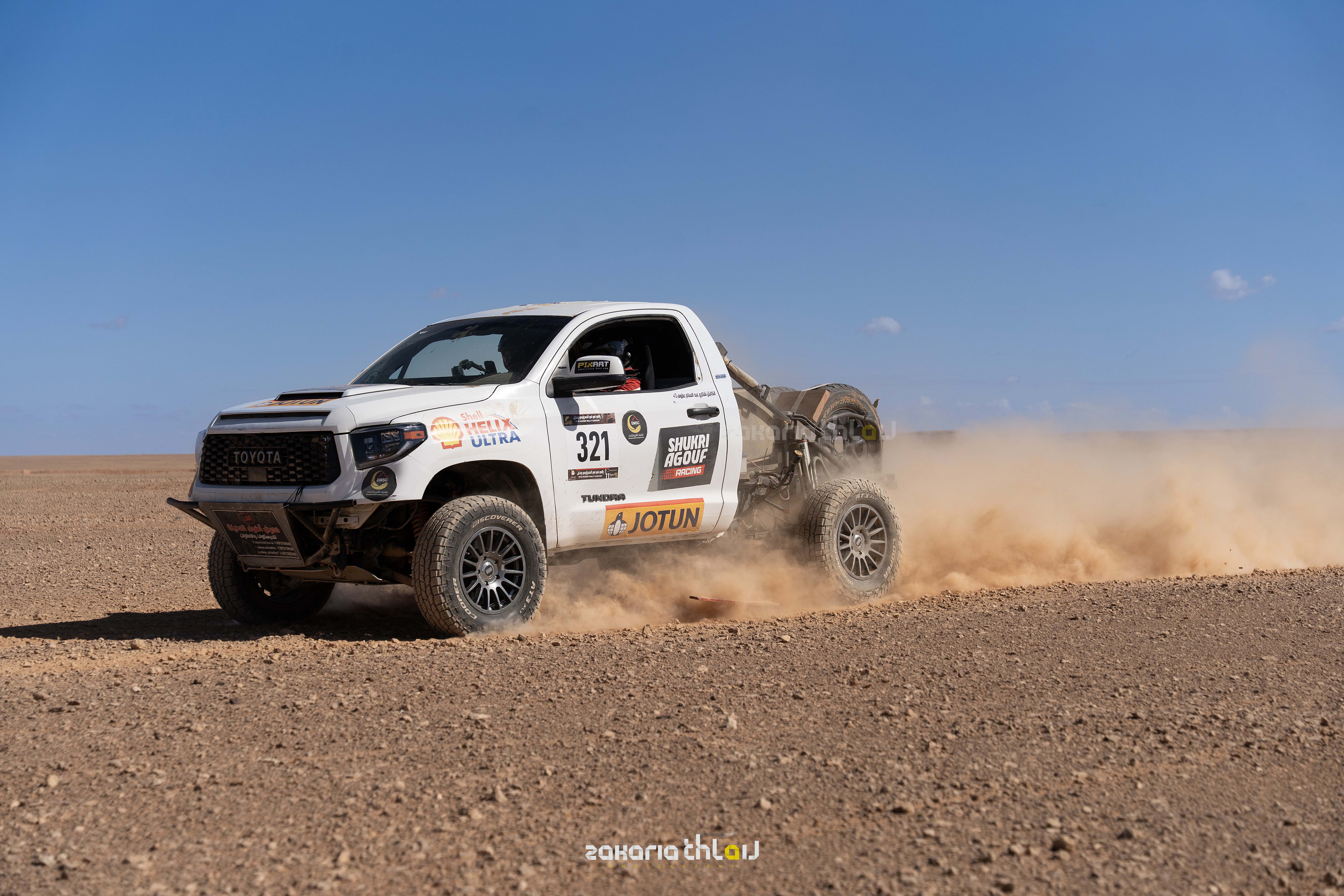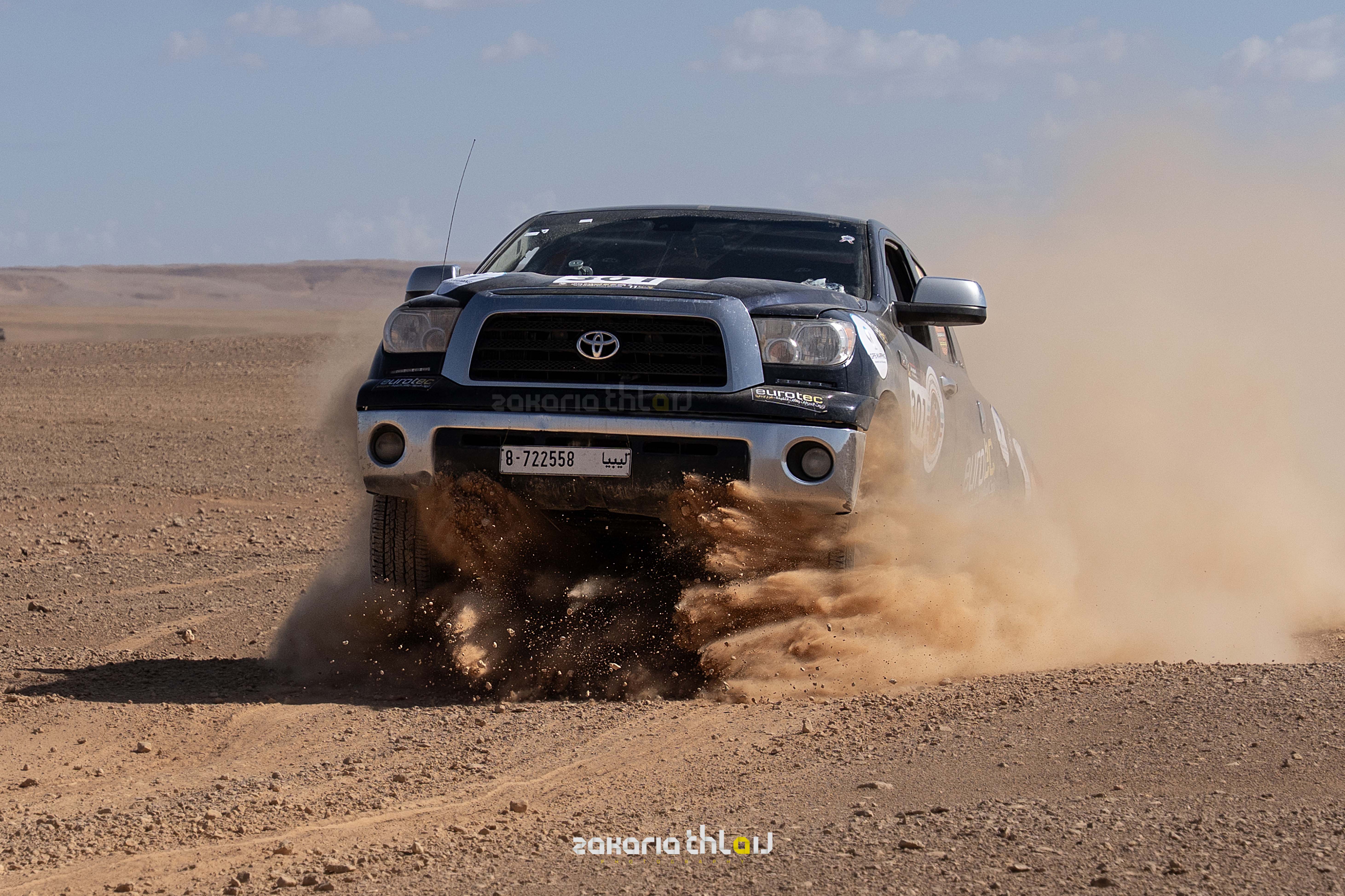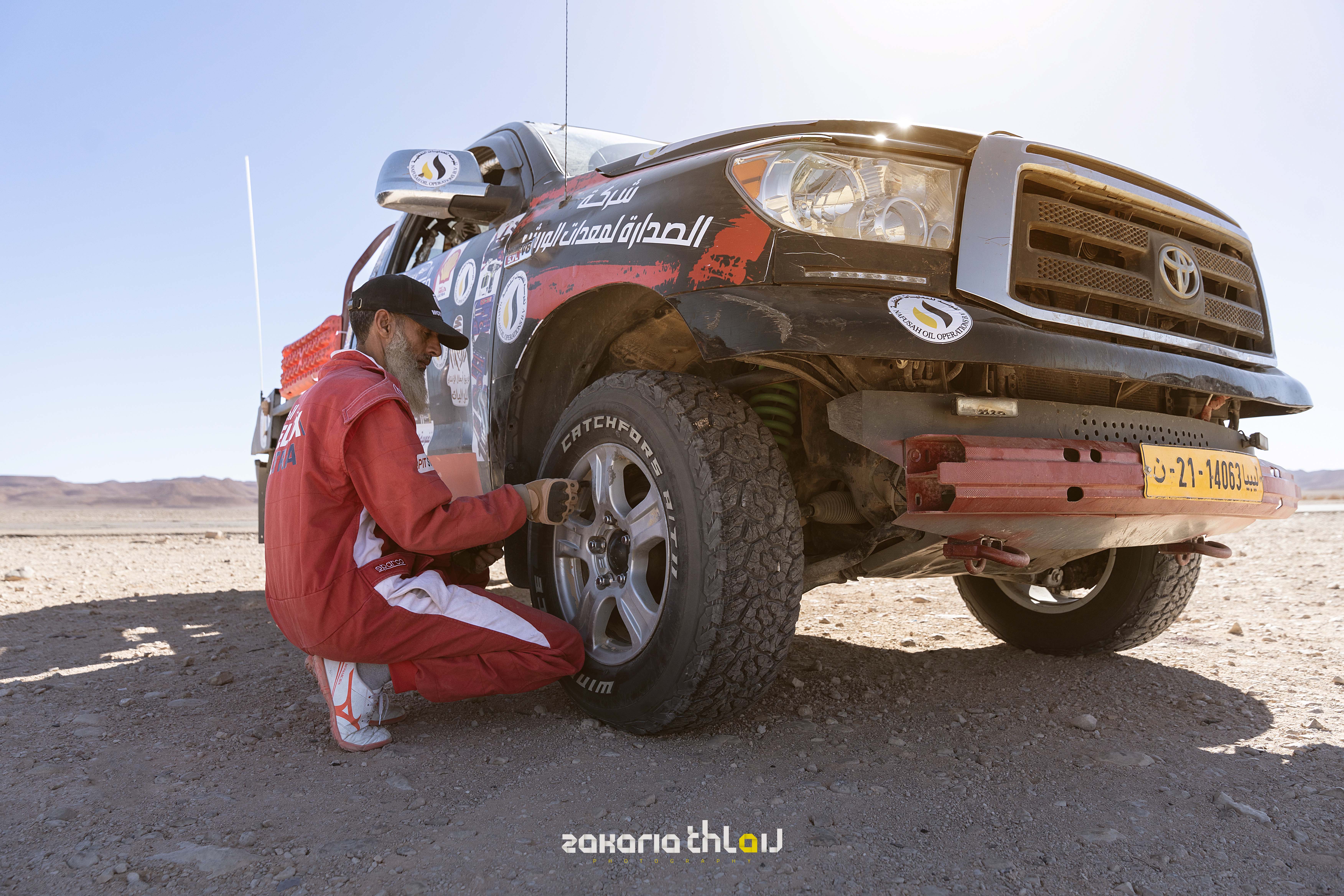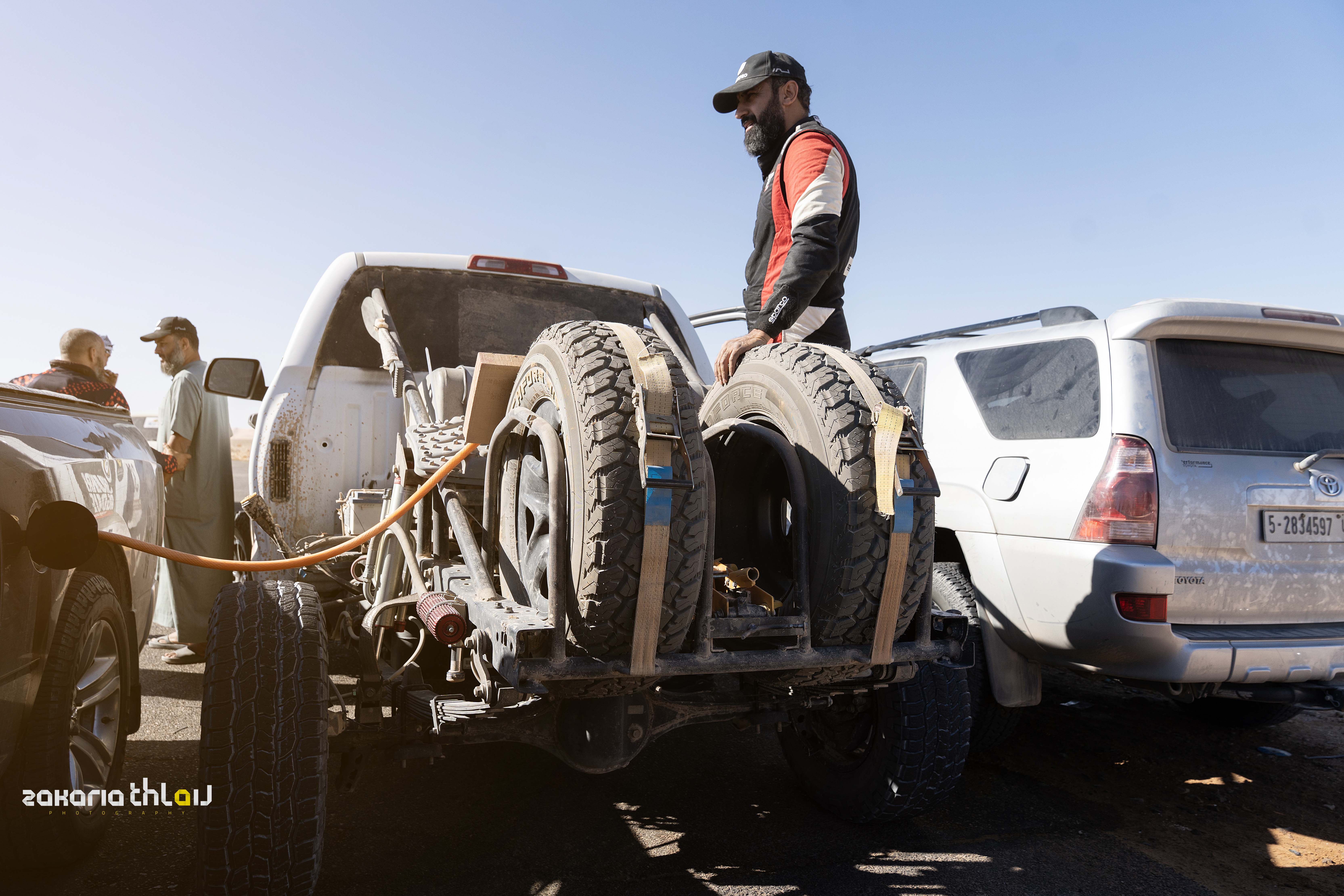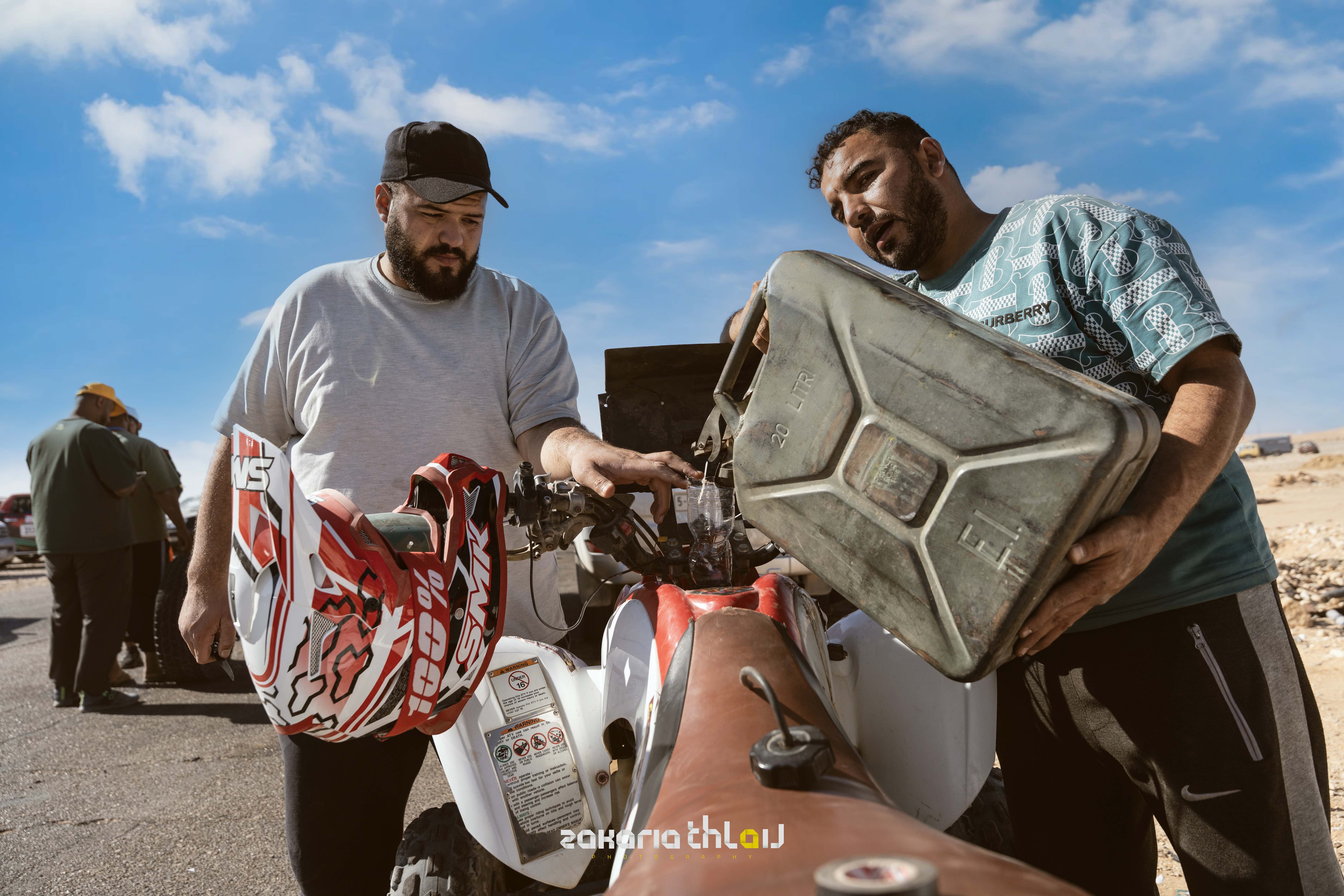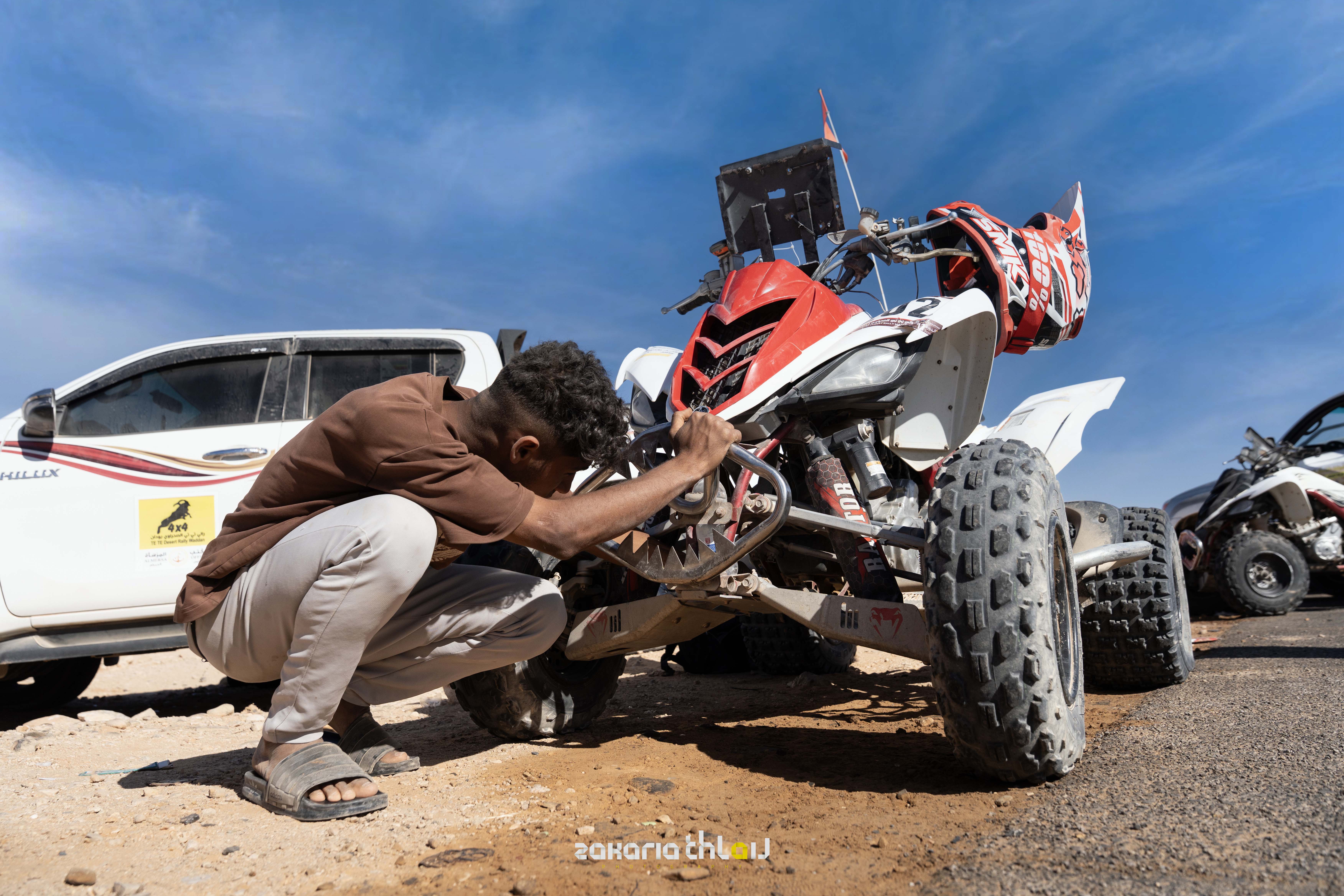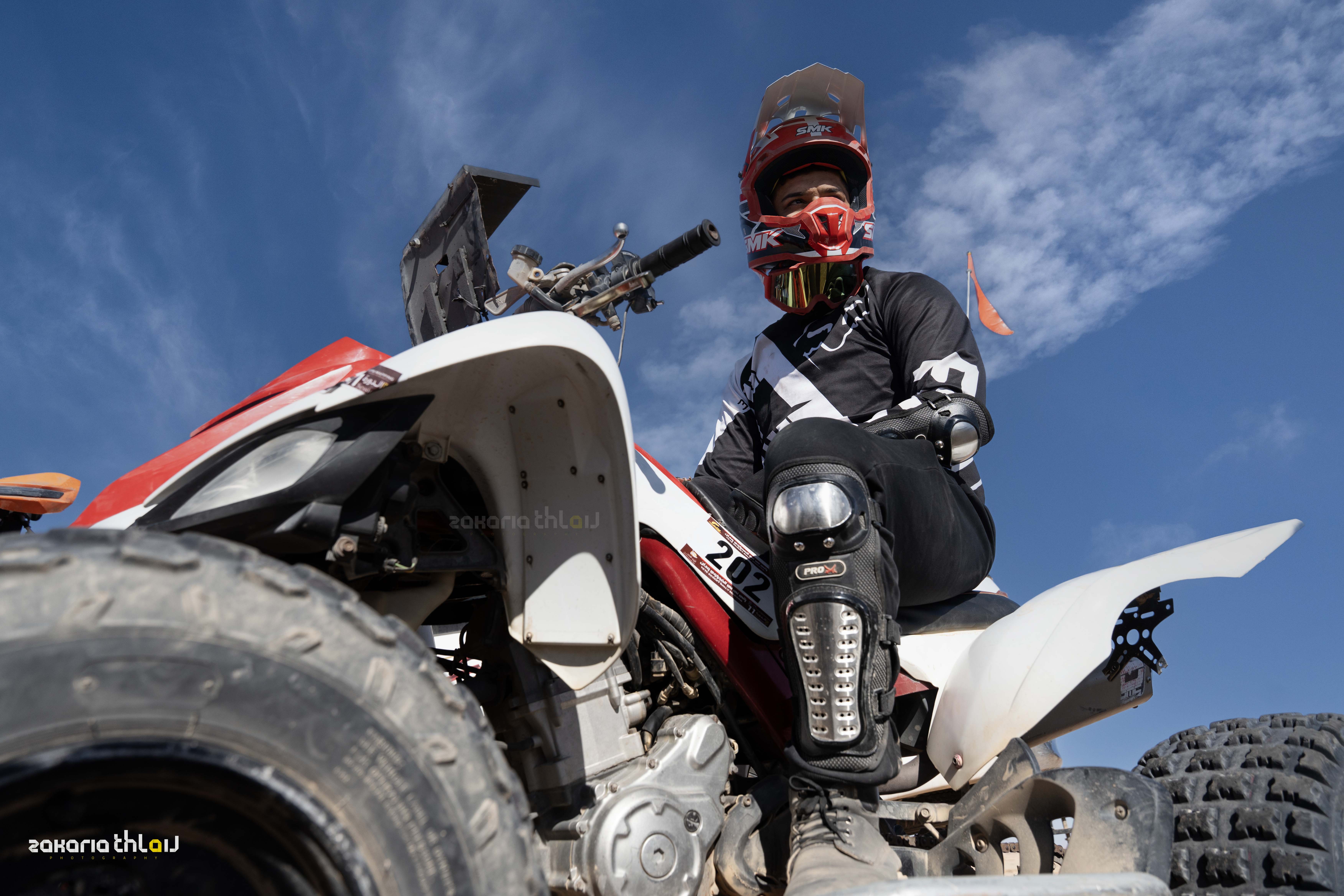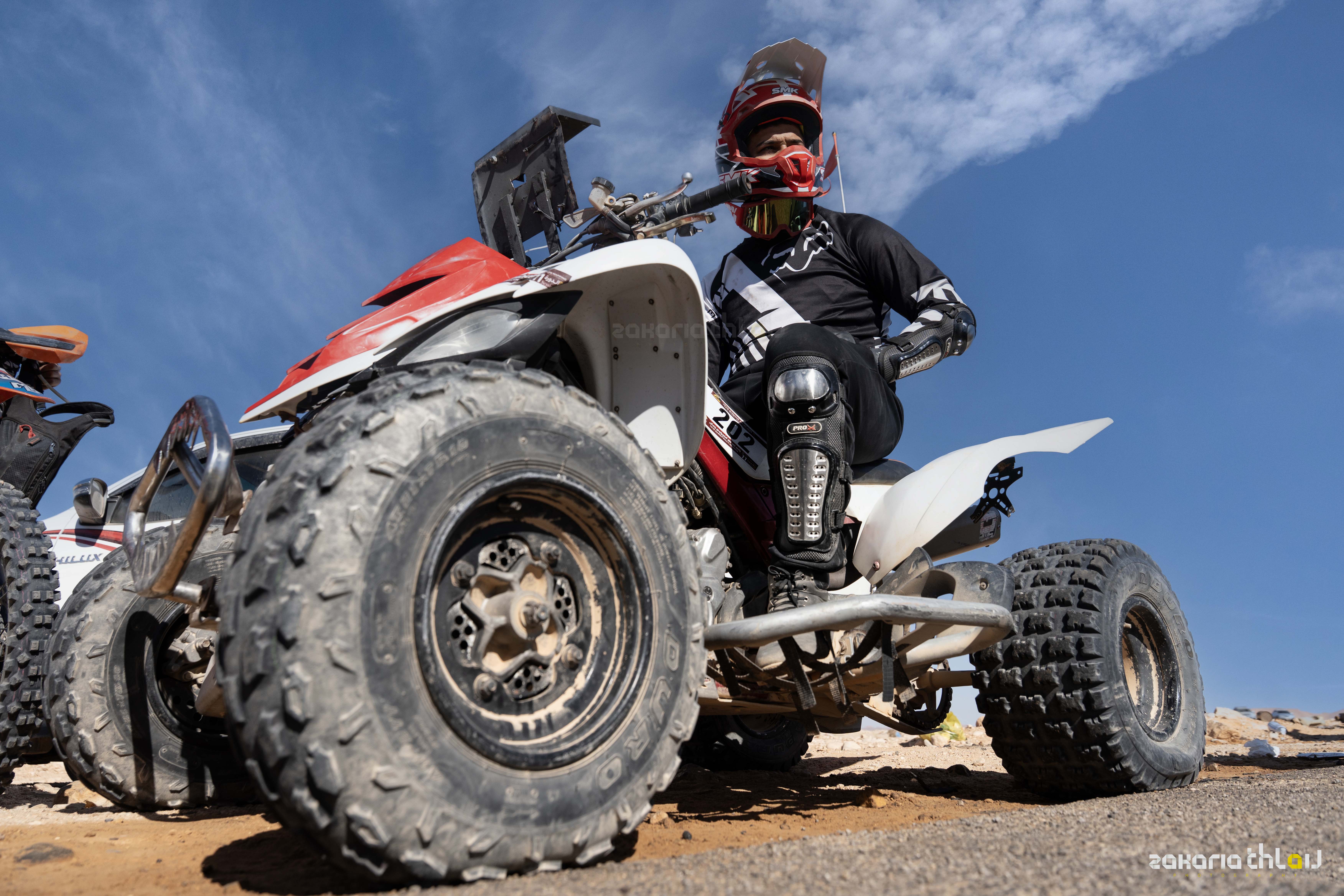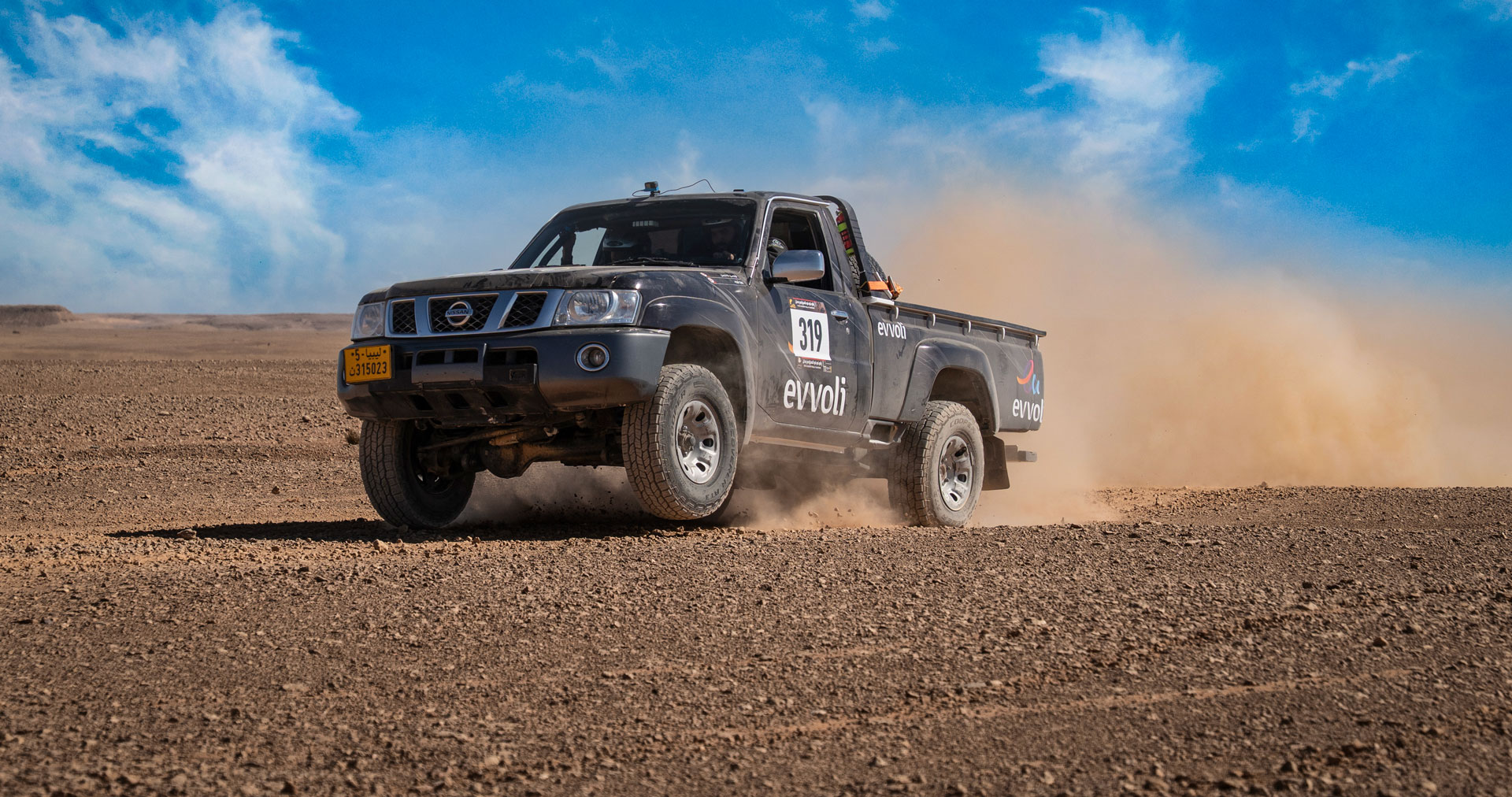
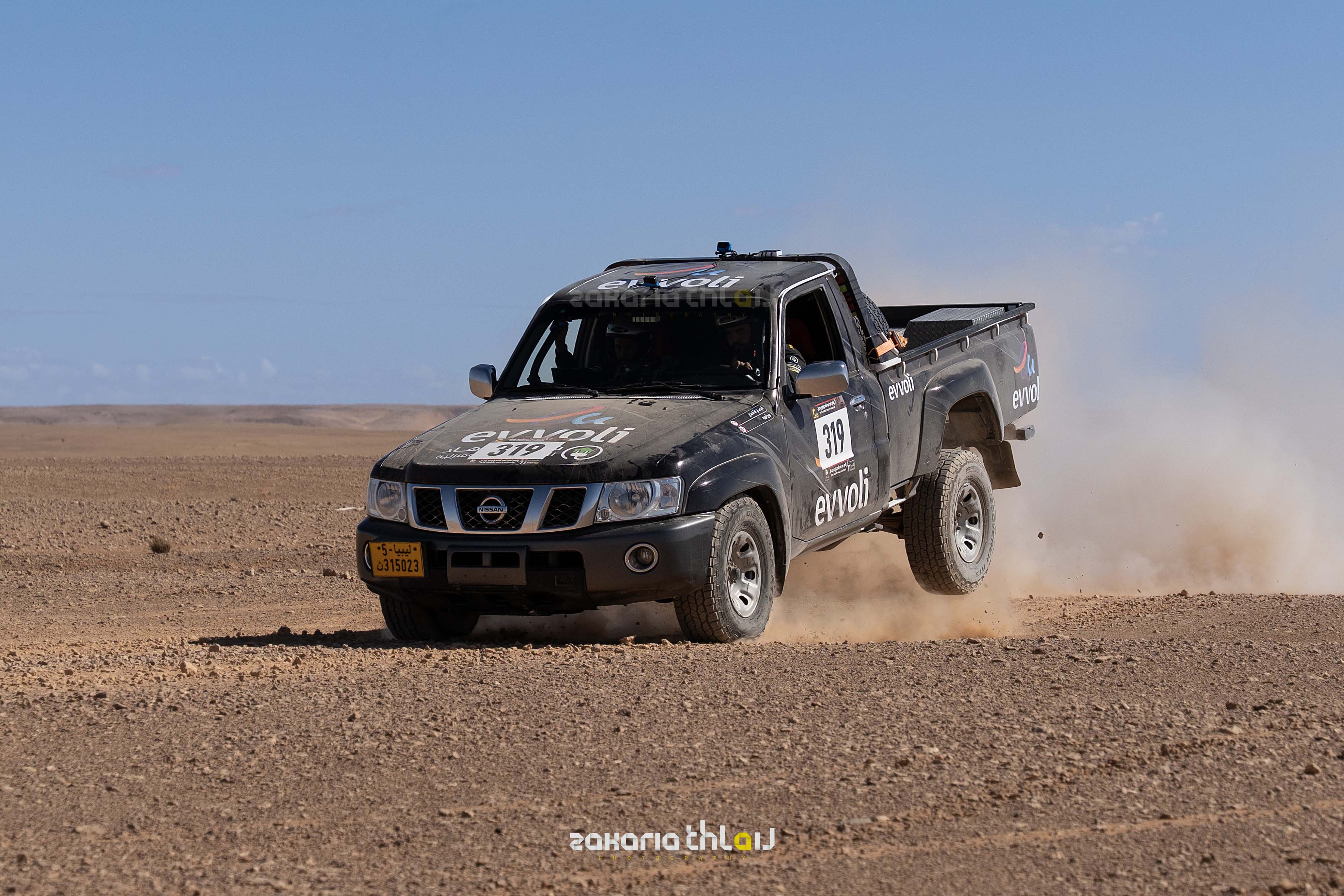
Here, among the golden dunes, it is not only vehicles that compete. Determination is tested against terrain, experience against surprise, and speed against the ability to stay composed when the ground shifts beneath the wheels. Every edition carries the same unanswered question: who will reach the finish first, and who will remain standing when the dunes turn into a true test of endurance?
This is the T.T. Desert Rally in Waddan. What began as a relatively modest gathering grew year after year into one of Libya’s most prominent motorsport occasions—a meeting point where off-road racing, cultural expression, tourism, local commerce and national togetherness converge.
The Beginning: A Small Experiment with a Larger Promise
The rally’s unofficial beginnings date back to October 2014, when approximately 75 four-wheel-drive vehicles took part in its first edition. The significance of that opening was not limited to the number of vehicles. It demonstrated that Waddan could host a desert-driving event in an open landscape, while revealing a strong public appetite for motorsport rooted in the character of the region.
On 16 April 2015, a second, larger gathering followed. It drew an estimated 130 four-wheel-drive vehicles and nearly 300 participants, alongside a substantial audience from Waddan and neighboring cities. Exhibitions of local objects and traditional performances accompanied the event, foreshadowing the identity the rally would later develop: modern engines moving through a living landscape of history and heritage.
A few months later, the event entered its official phase. From 25 to 28 November 2015, the first official edition was held with more than 150 four-wheel-drive vehicles and over 300 participants and competitors from different Libyan cities. According to the organizing memorandum, the edition was held under the umbrella of the Libyan Club for Cars and Travels, described as a member of the Fédération Internationale de l’Automobile, or FIA, and the International Association of Tourism, or AIT.
The first official edition quickly attracted national attention. Libyan satellite channels, the Libyan News Agency and local radio stations covered the event, helping the rally move beyond a local gathering and become a story followed by a wider audience.
The Second Edition: When a Rally Becomes a Meeting Place
In November 2016, four-wheel-drive vehicles returned to Waddan for the second edition. The event was held with the support of the Ministry of Culture and Civil Society and organized and supervised by the Libyan Club for Cars and Travels. It lasted three days.
The memorandum states that participation exceeded 200 four-wheel-drive vehicles arriving from numerous Libyan cities. Yet the most important number was not necessarily the vehicle count. It was the human scene that formed around it: people from eastern, central, western and southern regions meeting in one location, connected by a shared passion for motorsport and a desire to reclaim a space for collective joy.
Waddan appeared, during that edition, to be drawing a broad portrait of connection. Spectators, teams and drivers from different parts of Libya exchanged enthusiasm and experience in an environment where division gave way—at least temporarily—to the sound of engines and the excitement of adventure. The memorandum presents the rally as an annual gathering where people could set aside disputes and help heal social wounds, giving the event a significance beyond sport.
The participation of the Libyan Aviation Club added another dimension. Administrative and technical crews, together with the club’s branch in Jufra, presented aviation and paragliding displays during the opening and throughout the activities. Above the rally, gliders and aircraft seemed to complete what the vehicles began on the ground: a moving, colorful spectacle unfolding across two levels of the desert sky.
The Third and Fourth Editions: From Hobby to Phenomenon
By the third edition, held from 2 to 4 November 2017, the T.T. Rally had secured a place on the annual calendar of off-road enthusiasts. It was no longer an experiment waiting to prove itself; it had become an event people actively awaited.
The organizing memorandum says that the number of four-wheel-drive vehicles exceeded 600, with strong participation from Libya’s coastal, central and southern regions, in addition to a large audience. Traditional groups and horsemen continued to perform, preserving the rally’s distinctive blend of competition, spectacle and cultural celebration.
The fourth edition took place from 1 to 3 November 2018. By then, Waddan had become a destination for professional and amateur sand drivers. The rally’s reach expanded further when participants from eastern regions joined for the first time, according to the memorandum.
The organizers state that the number of visitor vehicles exceeded 1,000, most of them four-wheel drives. Yet the growing scale of the event did not erase the financial realities faced by competitors. Participants took part personally and at their own expense. For that reason, the rally committee designed stages, according to the memorandum, to remain within the competitors’ means, with each stage not exceeding 50 kilometers, while also seeking to offer prizes with real value and meaning.
At this point, it was clear that the rally’s success no longer depended on vehicle speed alone. Specialized committees were established, including a media committee responsible for broadcasting the event through satellite channels, radio, digital platforms and social media. The organizers also emphasized a clear division of responsibilities and the involvement of younger volunteers and staff, helping transform the rally from a vehicle gathering into an organized event system.
2019: “Here Is T.T.; Here Libya Meets”
From 31 October to 2 November 2019, the fifth edition carried a slogan that captured what the rally had come to represent: “Here is T.T.; here Libya meets.”
The competition in Waddan drew more than 700 four-wheel-drive vehicles and 60 motorcycles, according to the memorandum, along with a very large number of visitors from Libyan cities and villages. During the rally days, the town looked transformed: vehicles stood outside shops, others moved through the streets, and groups gathered near the sulfur springs as visitors moved between the event sites in search of excitement and celebration.
T.T. was no longer simply a race in the narrow sense. Around the circuit and dunes, professional and amateur drivers demonstrated vehicle power and driving skill. Music, traditional performances and heritage exhibitions ran alongside the competition, turning the rally into a broad desert festival.
From an economic and social perspective, the memorandum describes the rally as a wheel whose annual movement is eagerly awaited by Waddan and the wider Jufra region. It stimulates trade, increases demand for local services and opens a window for domestic tourism. It also provides craftspeople and heritage enthusiasts with an opportunity to display products and collections. Motorsport, in this context, becomes an engine for local commerce and a vehicle for introducing the region to visitors.
The rally’s most enduring image, however, is human. A smile from the east carries the memory of the Green Mountain; another from the west brings the scent of the Mediterranean and coastal orchards; a third carries the breadth of the southern desert. In Waddan, these images do not disappear into a single uniform picture. They meet, visibly and confidently, in one shared celebration.
Four Years Away—and a Stronger Return
After the 2019 edition, the rally was suspended for four consecutive years because of the COVID-19 pandemic and other factors, according to the memorandum. Such a pause can be a severe test for any mass event. Long interruptions can erode momentum, weaken organizational capacity and disperse an audience.
The T.T. Rally’s return told a different story. In February 2024, the ninth edition was held with exclusive sponsorship from Lieutenant General Saddam Khalifa Haftar, as stated in the source document. The long wait had intensified the anticipation among off-road enthusiasts, making the return feel less like a new launch than the continuation of a story that had never truly ended.
The committees began preparing on multiple levels: planning the site, seeking sponsors and supporters, arranging logistical assistance and organizing the arrival of crowds from towns and villages across eastern, western and southern Libya. The memorandum says that the sponsorship of the Land Forces leadership helped the organizers overcome several obstacles.
The result was described by the committee as an exceptional edition. Its attendance exceeded 30,000 visitors, according to the source. Whatever differences may exist between attendance methodologies from one edition to another, the message was clear: the rally had returned to the public scene with force and reclaimed its position as an event people were eager to attend.
The Tenth Edition: A Rally That Crossed Borders
In November 2024, the tenth edition was held in what the memorandum described as an unprecedented event in terms of crowd density. It gives an estimate of more than 200,000 visitors from Libyan cities and regions, as well as international attendance from Tunisia, Algeria, the United States, Canada, Mexico, Egypt, Kuwait and Switzerland.
That geographic diversity gave the rally a new dimension. Waddan was no longer receiving only a Libyan audience; it was beginning to attract regional and international interest. Every vehicle that traveled to the site and every team that crossed long distances to participate reinforced the idea that Libya’s desert could host a mass sporting event with appeal beyond national borders.
On the ground, the scene was too dense to capture in a single image: four-wheel-drive vehicles lined up or moving through the dunes, crowds following the challenges, teams preparing, children watching in wonder, and families, vendors and service providers benefiting from a season that lasts only a few days each year. Waddan expands into a city at full energy during the rally, then quiets again after the event, waiting for the next edition.
The Eleventh Edition: Greater Organization and an International Ambition
From 6 to 8 November 2025, the T.T. Rally committee organized the eleventh edition in Waddan, with exclusive sponsorship from First Lieutenant General Saddam Khalifa Haftar, according to the memorandum. The organizers presented the edition as a major milestone in organization, participation and public attendance.
Safety was one of the central themes. Race routes were prepared according to international safety standards. Camping and rest areas were set up for participating teams, while secondary roads were opened to facilitate the movement of spectators and participants toward the dune challenge and extreme-race circuit.
The organizers also provided an experienced national judging team, supported by officials from Tunisia and Jordan, and used satellite-based tracking technology to monitor competitors. This reflects the rally’s movement from relying solely on physical observation toward the use of technology that can strengthen oversight, accuracy and safety.
On the medical side, the memorandum describes a specialized emergency and medical team, as well as a field hospital equipped with resuscitation rooms, orthopedic and surgical services, and a blood bank. In a sport that combines speed, harsh terrain and a remote desert environment, such infrastructure is not a secondary detail. It is part of the event’s core quality and credibility.
The competition included cars, motorcycles and quad bikes. The source states that 50 competitors in the car category entered the qualification process, with 13 reaching the final field. It also points to Maghreb and Arab participation, describing this as evidence of the rally’s growing regional and international character.
As for the audience, the memorandum cites an unofficial estimate of more than 500,000 visitors. Because the figure is explicitly described as unofficial, it should be treated as an estimate attributed to the organizers rather than as an independently audited statistic. Even with that qualification, it reflects the scale of the crowd the edition sought to highlight and the place the rally has earned in the imagination of its audience.
Beyond the Finish Line
The finish line identifies a race winner, but the T.T. Rally’s impact does not end there. The event leaves behind increased economic activity in Waddan and Jufra, greater visibility for the region, rising interest in desert tourism and an organizational experience that can support future events.
It also opens the door to cooperation with Arab, African and international desert-sport festivals and organizations. The committee’s recommendations call for continued infrastructure development, stronger cooperation with similar regional bodies, wider participation by Arab, African and global teams, and multilingual media campaigns capable of promoting the rally internationally.
Turning popular success into a sustainable institution will require a clear calendar, transparent participation rules, reliable attendance and competitor data, advanced safety systems, improved visitor services and protection of the desert environment that forms the event’s natural stage. As the rally grows, so does the responsibility to organize it responsibly and preserve its surroundings.
Conclusion: Waddan Does Not Disappear—It Prepares
At the end of every edition, the lights fade and the movement of vehicles slows. Waddan returns to its quiet rhythm, while tire tracks remain in the sand as evidence of days filled with noise, excitement and joy. Then the waiting begins again.
T.T. is not merely a car race. It is a meeting point where sport intersects with memory, adventure with commerce, desert landscapes with media, and celebration with the idea of gathering. From an opening that drew dozens of vehicles in 2014 to an eleventh edition with international ambitions in 2025, the rally has traveled a long road—from foundation to expansion.
The next edition may again ask which vehicle is fastest or which driver is most skilled. But the deeper question will be this: how far can Waddan transform its dunes into a lasting platform for Libyan desert sport—one capable of reaching the world?
Whenever the engines roar again, the dunes will offer their own answer: the road is not over, and the real race began the moment Waddan decided to open its gates to adventurers.